Loading content...
Service Category
Remaining Life Time Assessment (RLTA)
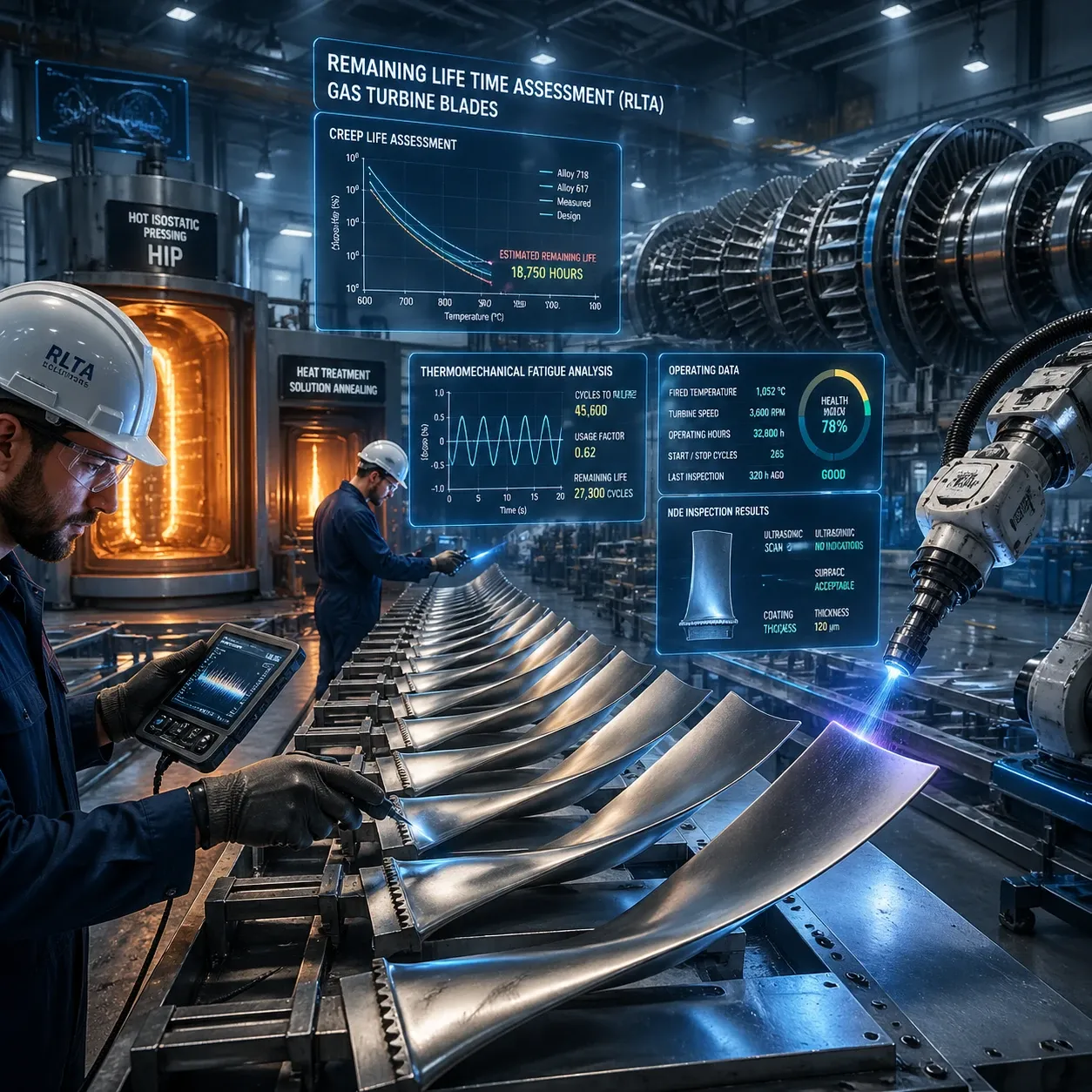
Maximize your gas turbine blade lifecycle and reduce maintenance costs with Euroturbine’s Remaining Life Time Assessment (RLTA). Advanced NDE, fatigue analysis, and refurbishment techniques extend component life while optimizing maintenance schedules.
2 min read
Engineering & Aftermarket
Optimize Maintenance with RLTA
07
Scope
04
Why RLTA?
A sound Remaining Life Time Assessment (RLTA) methodology helps you plan maintenance intervals intelligently, saving both time and money. By combining RLTA with validated repair and refurbishment techniques, turbines can achieve like-new performance at a fraction of the replacement cost.
Applying HIP (Hot Isostatic Pressing), reheat treatments, and advanced recoating can restore blades to nearly new condition for only 10–20% of the cost of brand-new blades.
Turbinetech Life Extension Projects
| Benefit / Item | Description / Impact |
|---|---|
| NDE Methods | Advanced Non-Destructive Evaluation to measure remaining blade and coating life |
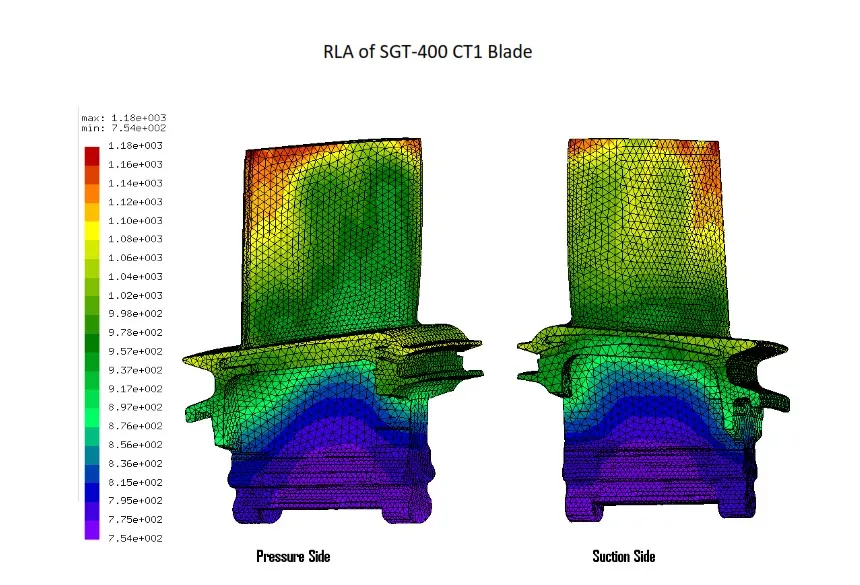
| PC Software Tools | Compute creep and thermomechanical fatigue life consumed based on turbine operating data |
| Repair Techniques | New or improved methods to rejuvenate blades and extend service life |
Key Benefits of RLTA
- Accurate prediction of remaining blade life
- Optimize maintenance intervals for reduced downtime
- Significant cost savings over full blade replacement
- Enhanced safety and reliability of gas turbines
Why RLTA?
- 01Avoid premature component replacement
- 02Data-driven repair/rejuvenate/replace decision
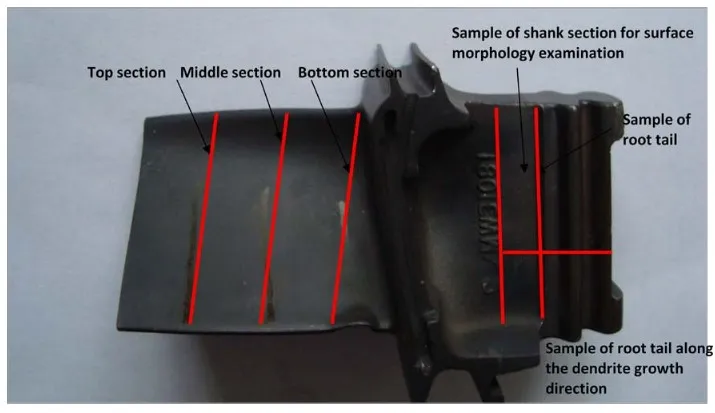
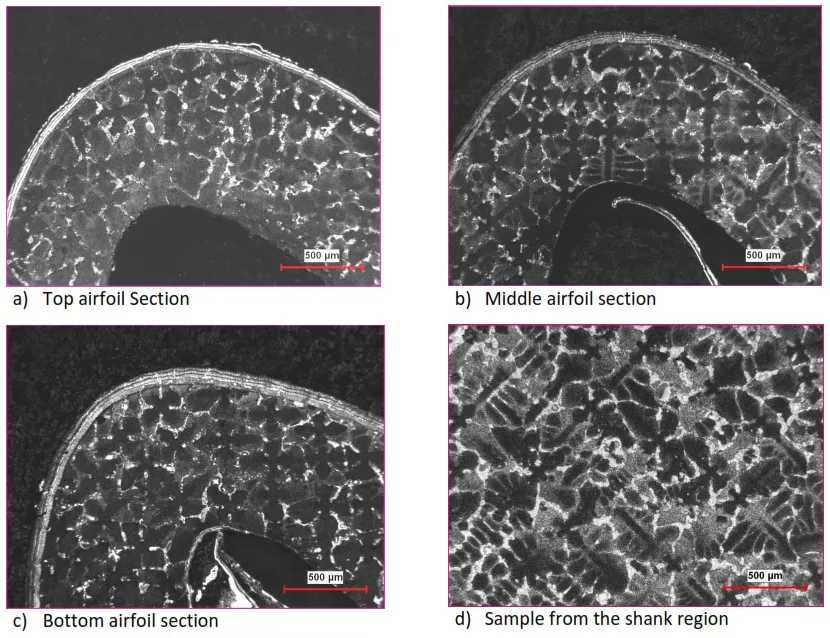
- 03Detailed metallurgical analysis
- 04Documented remaining hours per component
Explore other services
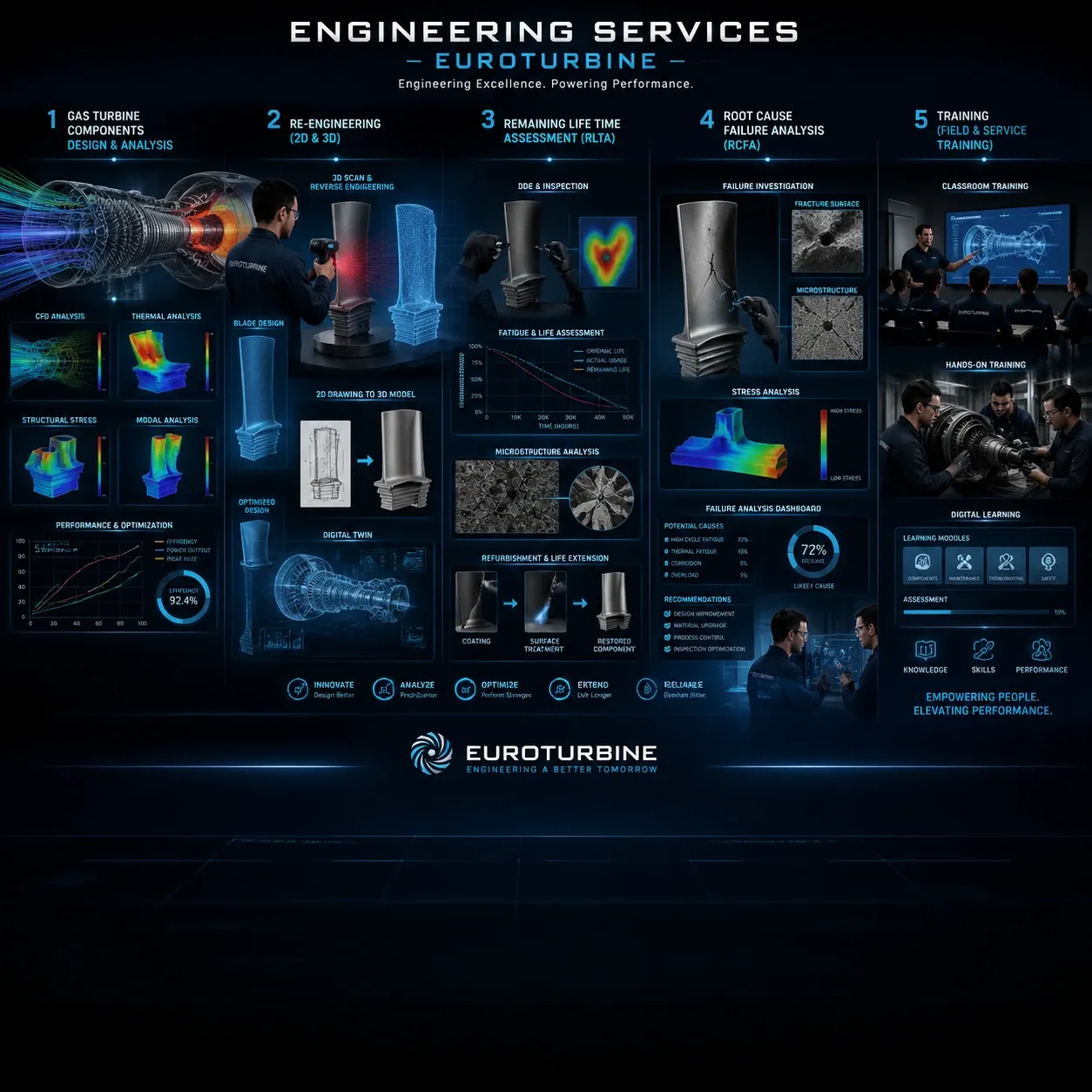
Engineering Services
Euroturbine engineering: component design & analysis, re-engineering, RCFA, RLTA, CFD simulation, and training.
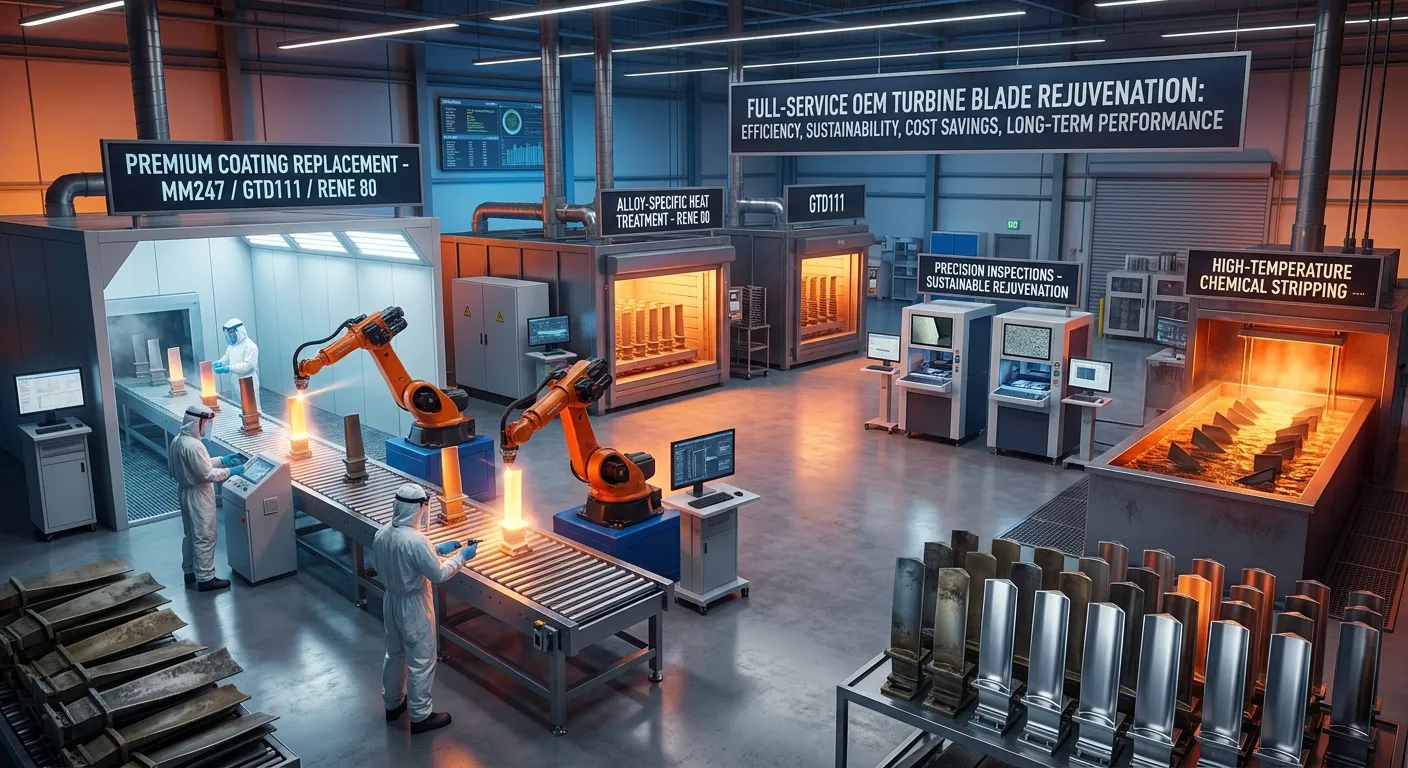
Rejuvenation
Extend the life of your OEM gas turbine blades with Euroturbine’s Full-Service Rejuvenation Process, saving costs, boosting efficiency, reducing waste, and achieving long-term performance beyond OEM standards.
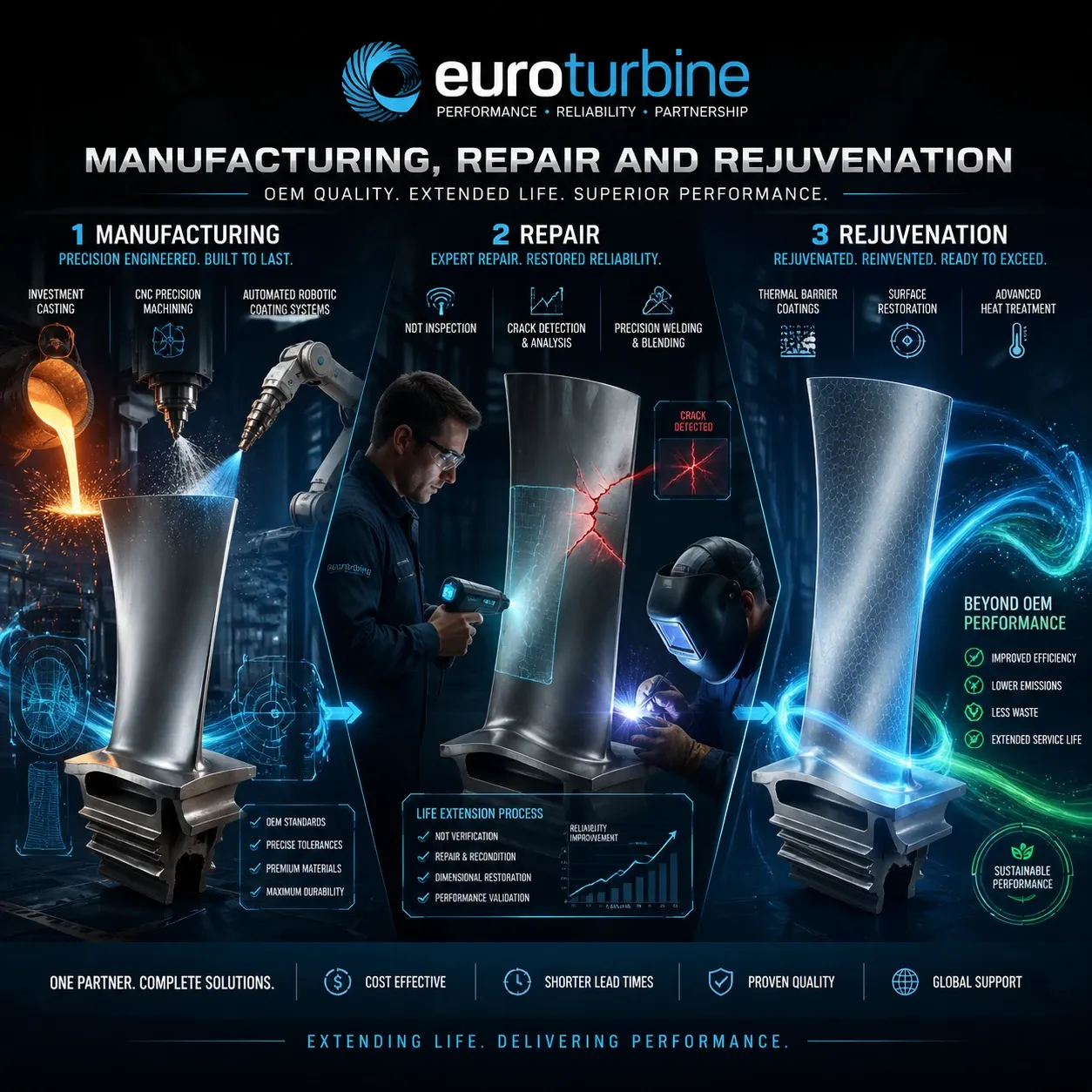
Manufacturing, Repair and Rejuvenation
Precision manufacturing of new parts, blade repair, and HIP rejuvenation for gas turbine hot gas path components.