Loading content...
Insights & News
Insights & News
Long-form articles and company notes for gas turbine operators and buyers
Read More
Aug 31, 2026
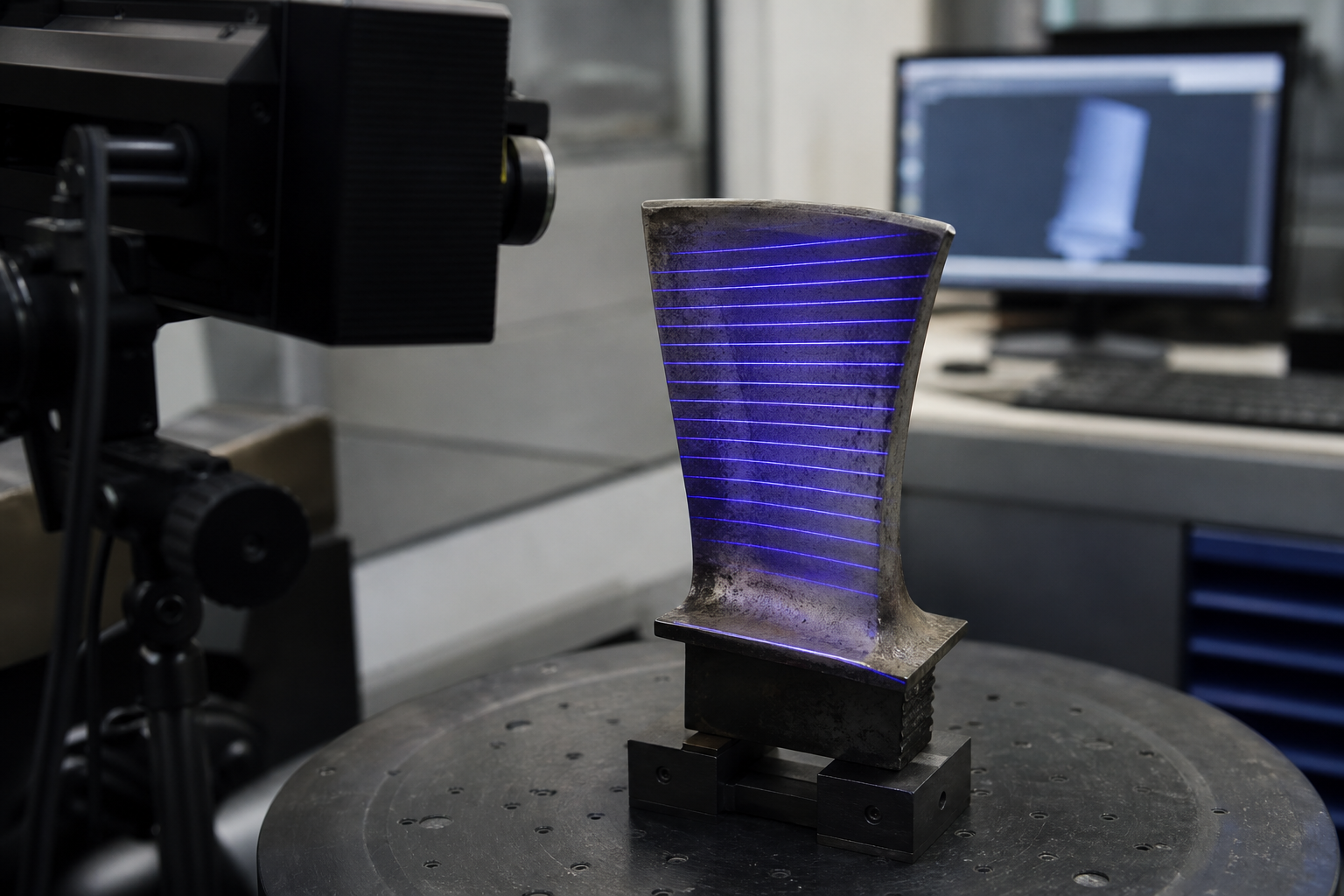
From a Worn Sample to a New Cast Blade
A 3D scan of a thin trailing edge is a perfect model of a bad part. Euroturbine rebuilds the unused geometry, then casts, coats and inspects that shape.
Read article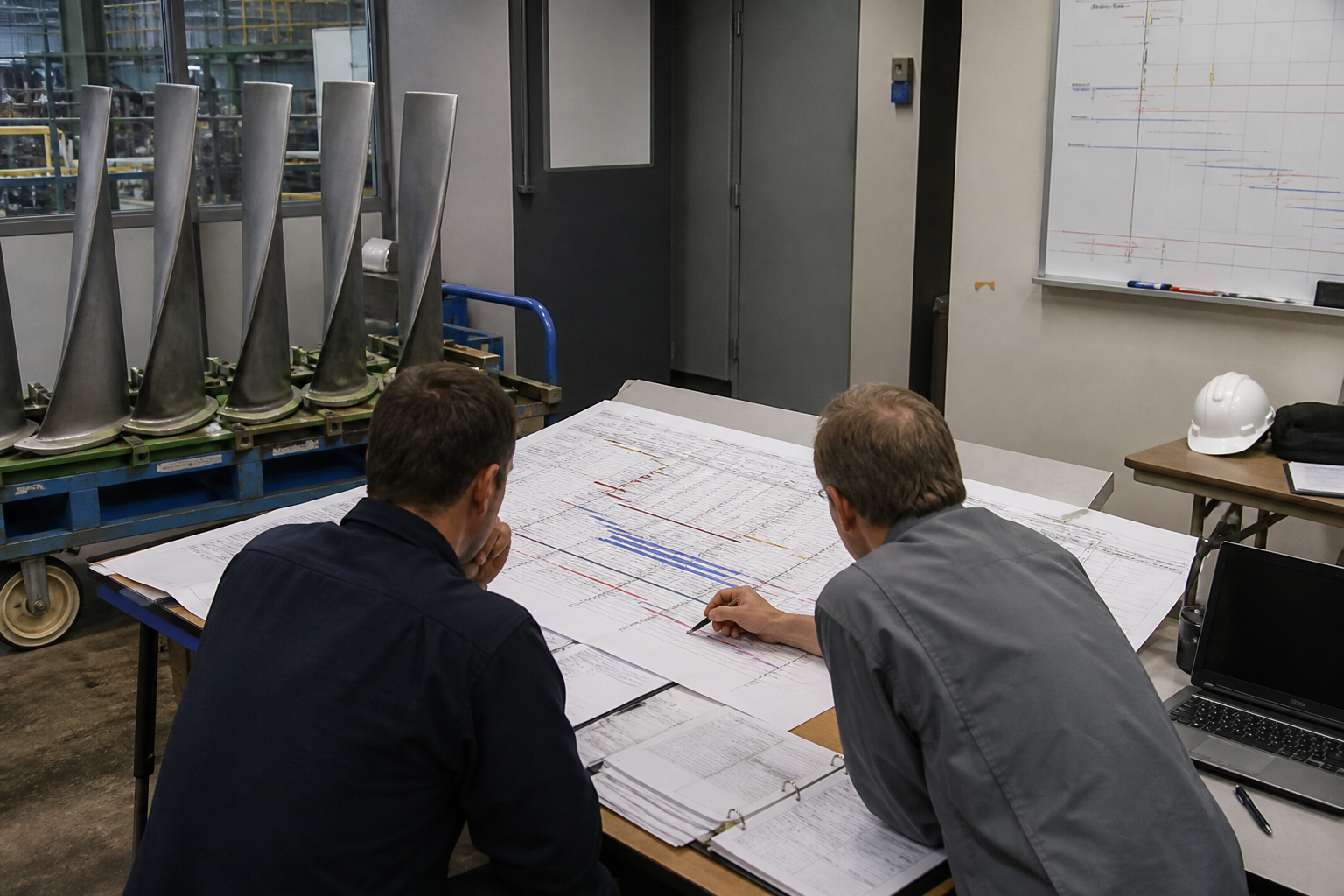
Read More
Aug 31, 2026
A Long-Term Service Agreement or One-Off Parts Orders
A single outage is a normal purchase order. A fleet of 9E or V94.2 machines with a surprise every year is a contract conversation. Euroturbine will write either — and will not sell an LTSA that is only a discount list.
Read article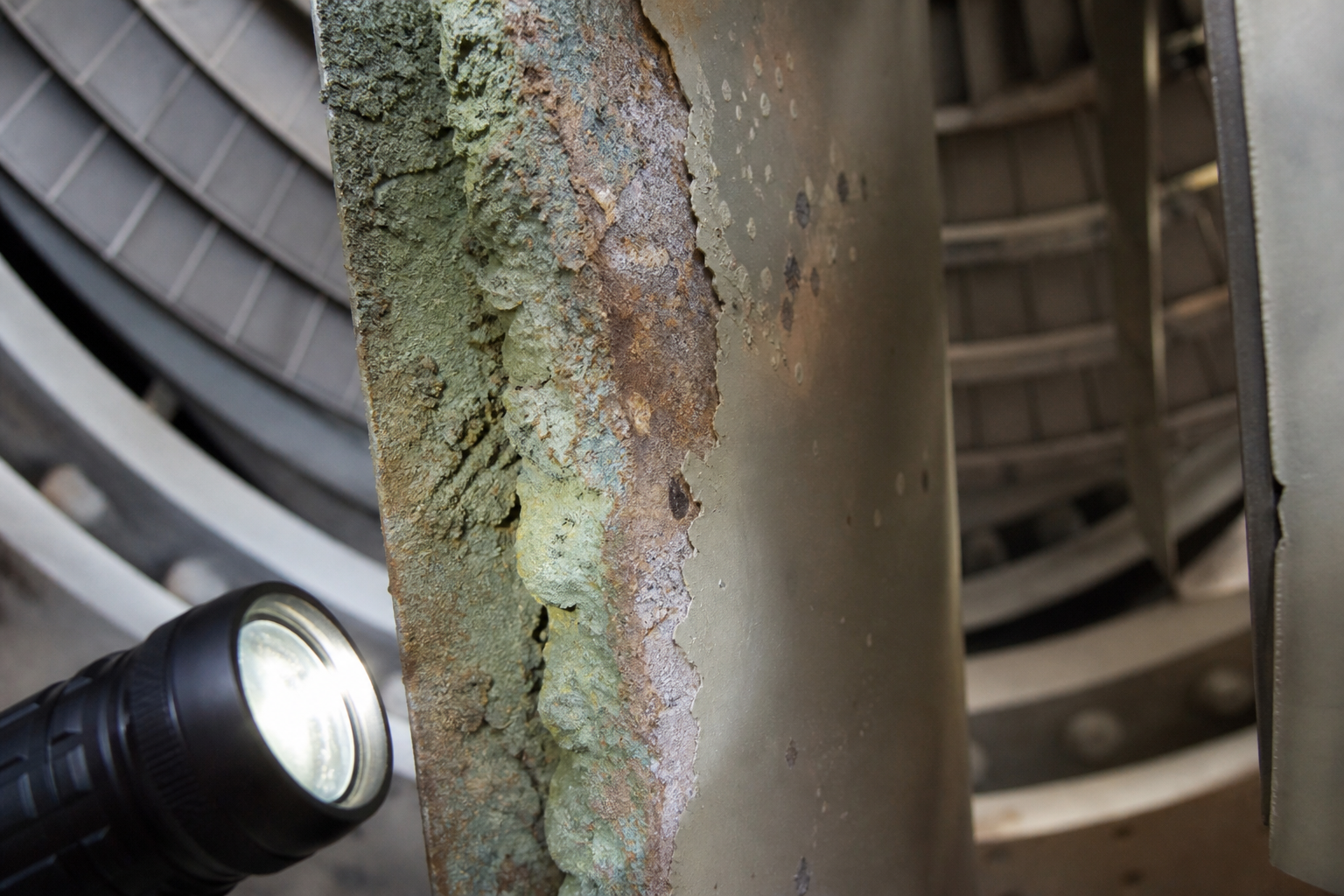
Read More
Aug 31, 2026
Oxidation and Hot Corrosion on Blades: Two Different Damages, Two Shop Jobs
Brown oxide and coloured hot-corrosion scale are not the same. Fuel, compressor wash and the coating stack decide the repair. Euroturbine names the scale before anyone quotes a polish or a weld.
Read article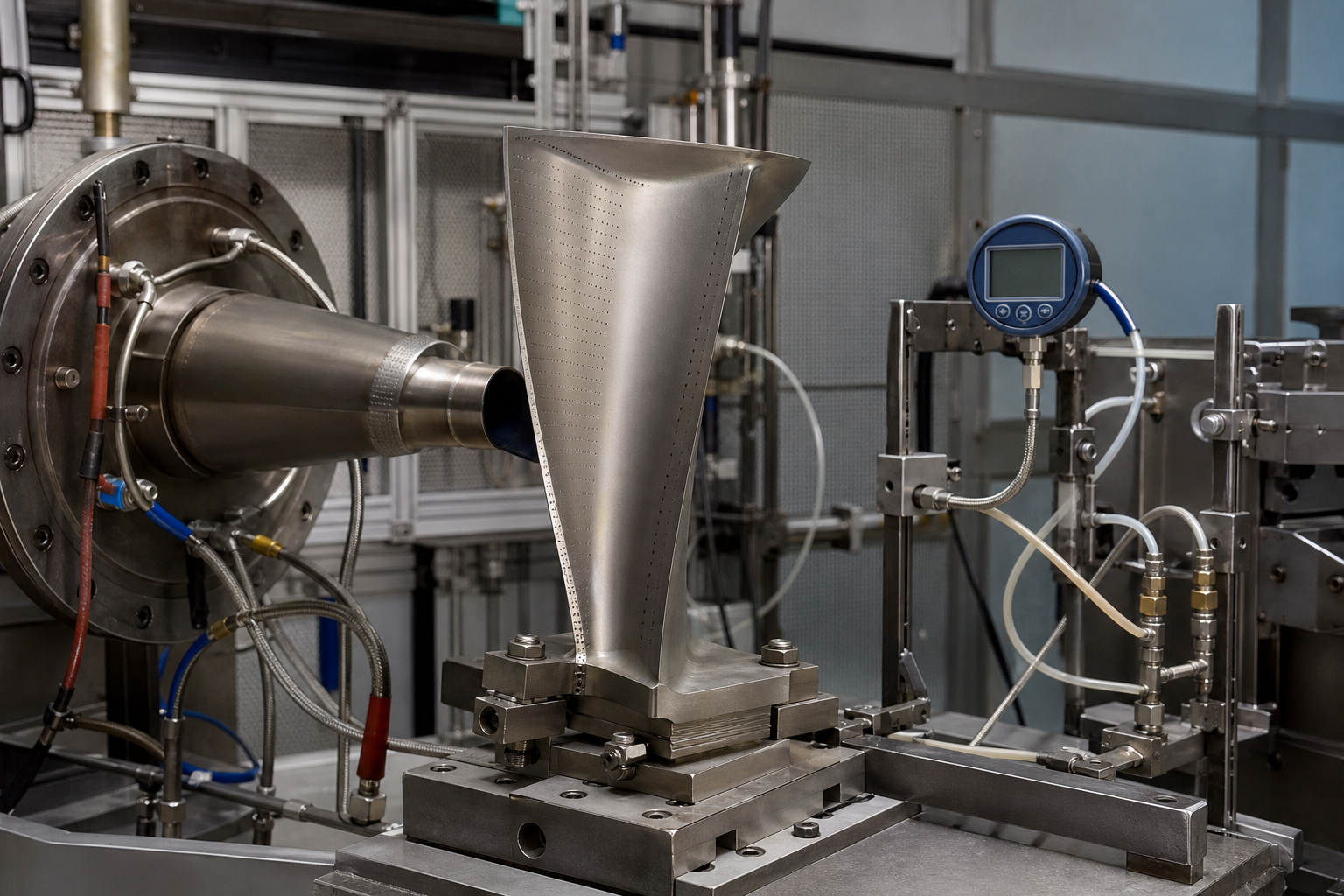
Read More
Aug 31, 2026
Why Cooled Turbine Blades Need an Airflow Test Before They Ship
Film-cooling holes that look open can still be blocked inside. An airflow test is how the cooling system is accepted. Euroturbine will not ship a hollow first-stage blade on a visual check alone.
Read article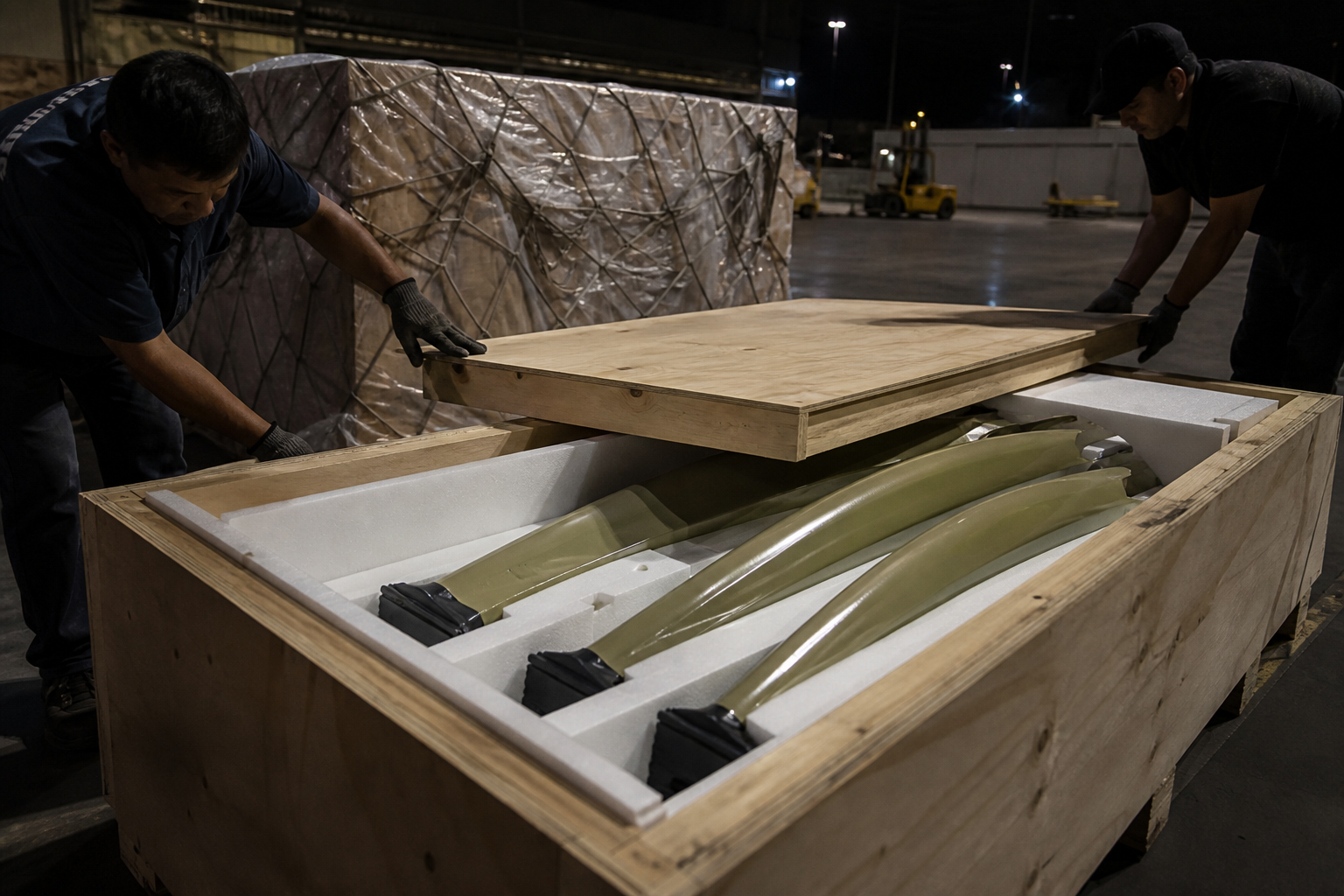
Read More
Aug 31, 2026
Emergency Hot-Gas-Path Parts When the Unit Is Already Down
AOG means the machine is already off and a missing hot-gas-path part is holding the restart. This article explains what Euroturbine can expedite, what still needs a foundry slot, and what information the plant should send the same day.
Read article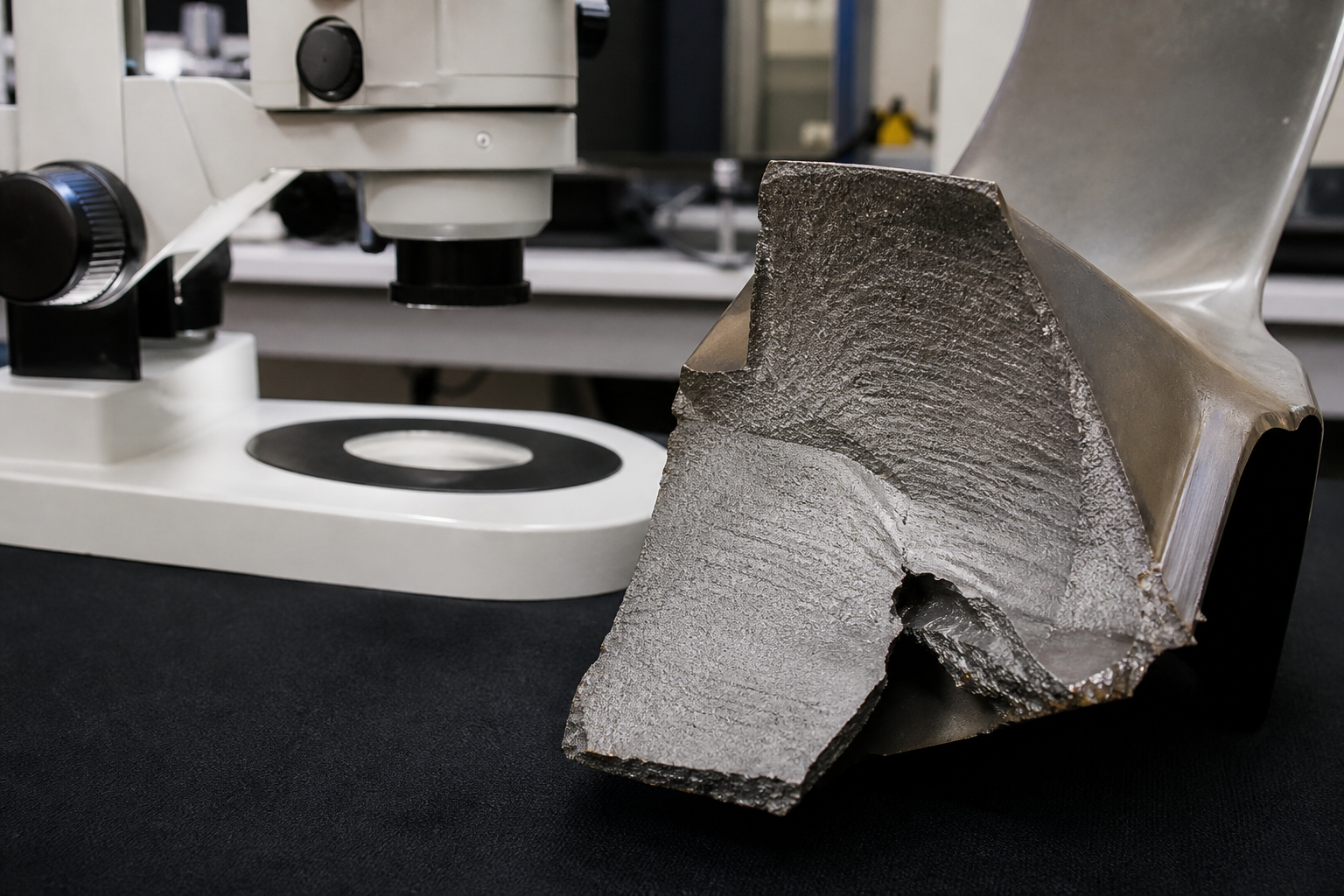
Read More
Aug 31, 2026
Root-Cause Analysis When the Same Hot-Gas-Path Part Keeps Failing
A worn tip found once is a repair decision. The same crack on three outages is a root-cause job. Euroturbine uses the fracture, the operating diary and metallography so you do not buy the same weld again.
Read article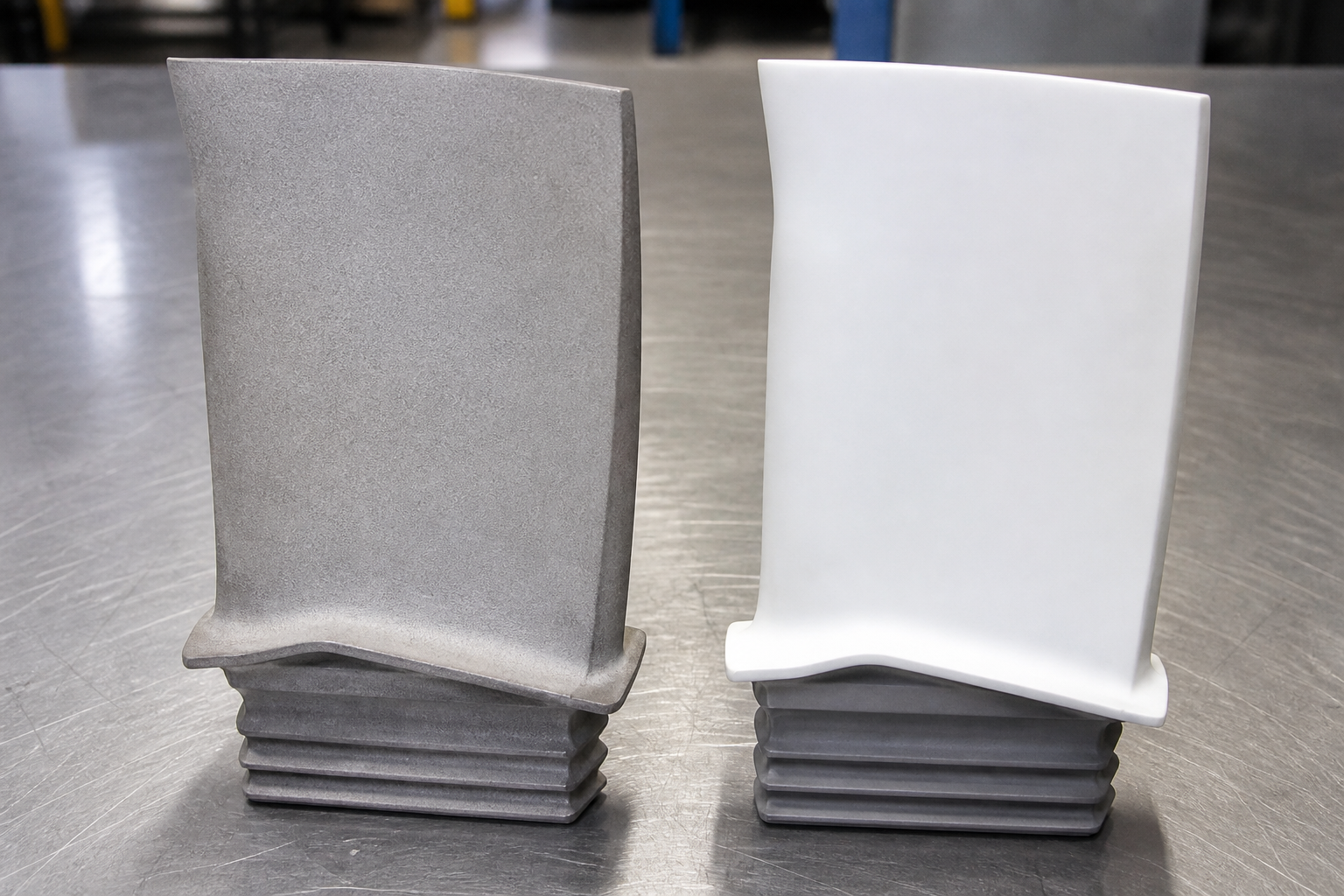
Read More
Aug 31, 2026
Strip and Recoat a Blade, or Buy a New One
Lost ceramic coating is not automatic scrap. If the metal underneath still has thickness and the cooling holes are open, strip and recoat is often the cheaper honest job. Euroturbine decides after wall mapping and NDT.
Read article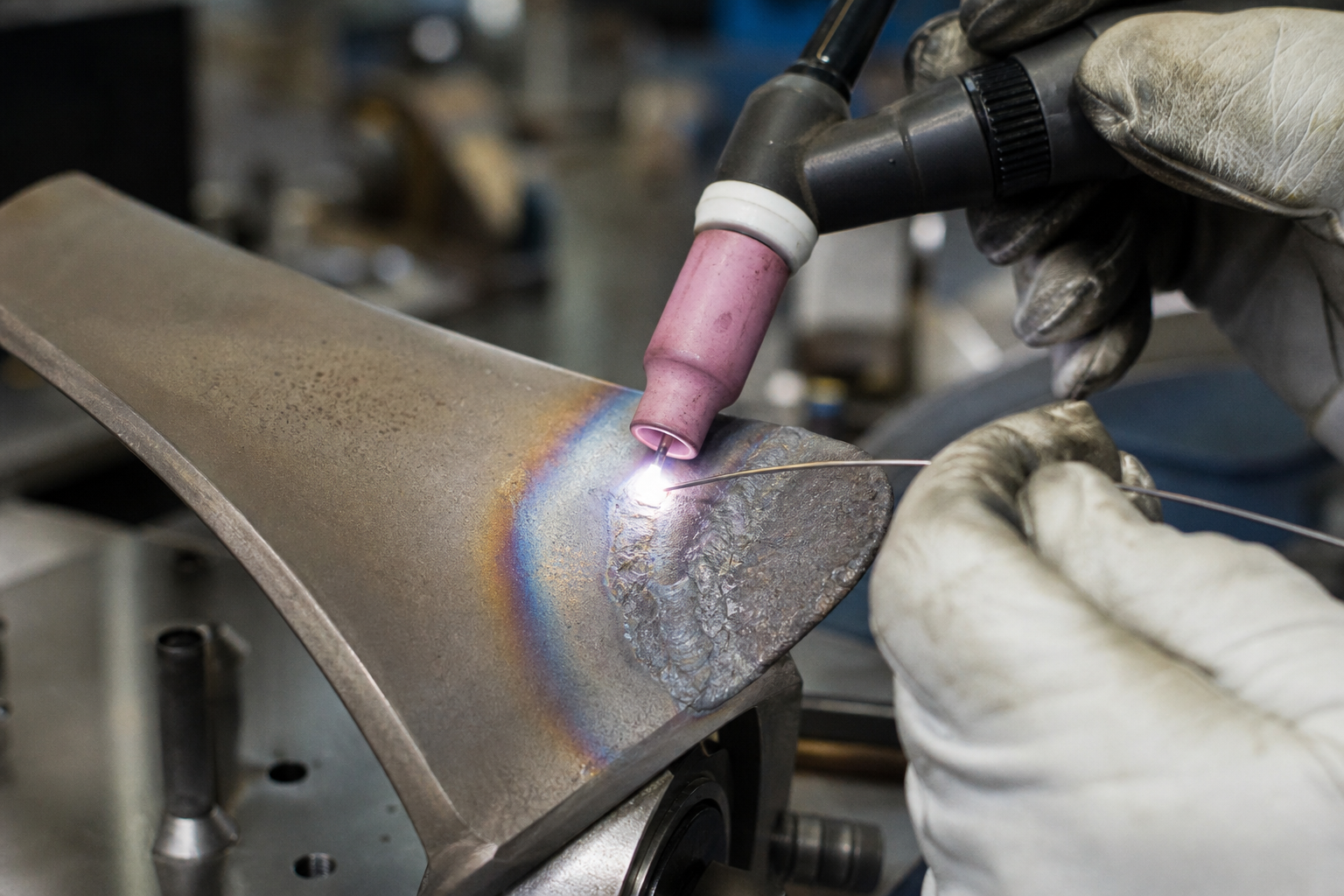
Read More
Aug 31, 2026
When a Cracked Turbine Blade Can Be Welded and When It Should Be Scrapped
Tip restore and careful blending are normal repair work. A weld on a root crack is often the next forced outage. Euroturbine writes the allowed zone before the torch starts.
Read article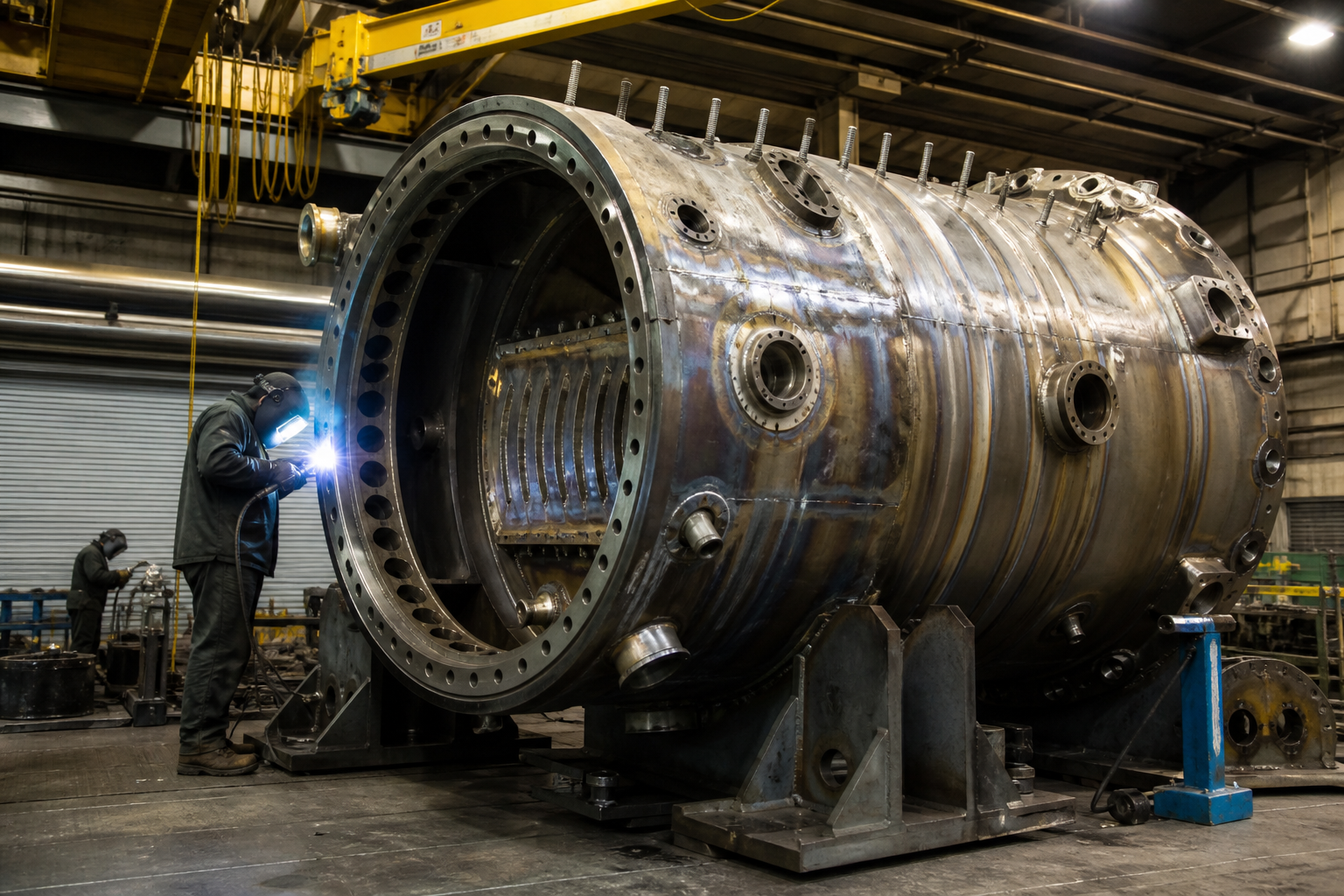
Read More
Aug 31, 2026
Repairing Inner Casings and Mixing Chambers After Long Service Hours
On V94-class machines, plants often ask whether an inner casing or mixing chamber can return after a hundred thousand hours. The answer is a crack map, remaining thickness and a written workscope — not a list of power-plant names.
Read article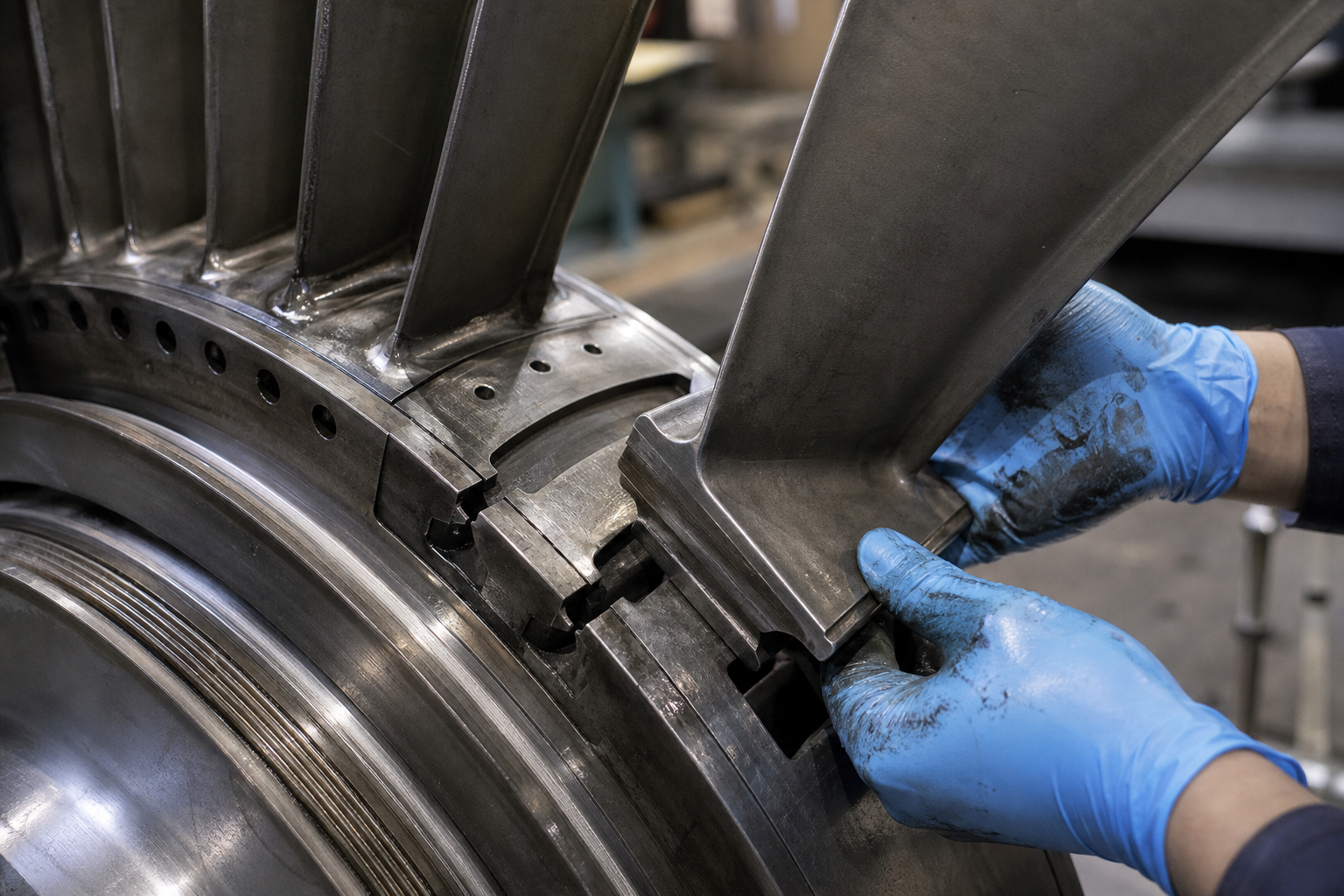
Read More
Aug 30, 2026
Fir-Tree Blade Roots and Turbine Discs: The Blade Is Cast, the Disc Is Forged
Turbine discs are usually forged and the slots are machined. Blades are cast and then the fir-tree root is machined to fit that slot. Euroturbine supplies the blade that matches the disc you have — and asks whether that disc is still nominal.
Read article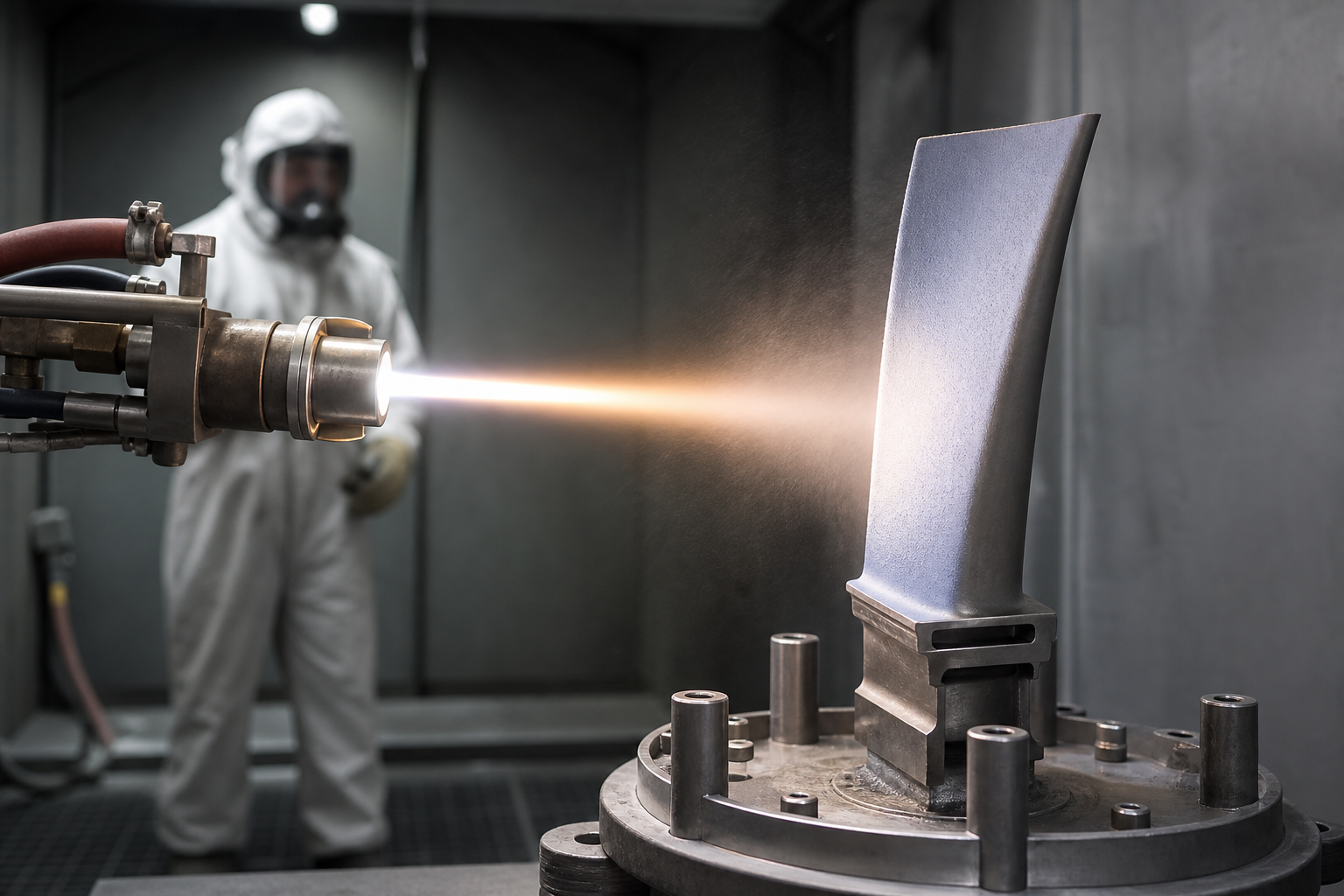
Read More
Aug 30, 2026
APS, LVPS, CVD, HVOF and Pack Cementation: Name the Coating Process
TBC and MCrAlY are layer names. APS, LVPS, CVD, HVOF and pack cementation are how those layers are applied. This page says what a plant should demand on the certificate after an aftermarket coat.
Read article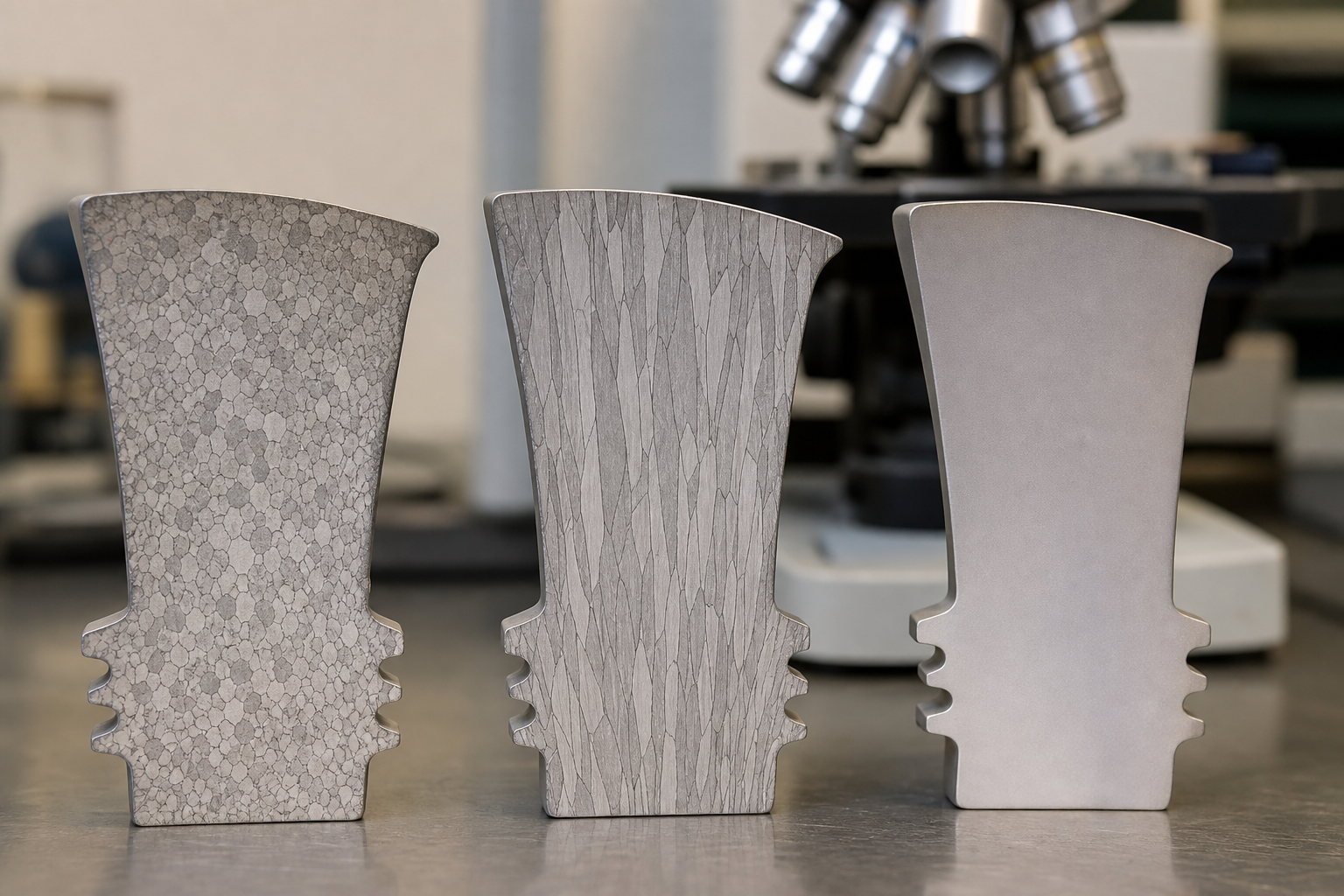
Read More
Aug 30, 2026
Equiaxed, Directionally Solidified and Single-Crystal Blades: Three Different Products
Equiaxed, directionally solidified and single-crystal blades are three foundry products, not three labels on the same pour. Euroturbine quotes equiax new-make routinely and will not pour SX from an equiax request.
Read articleShowing 1 to 12 of 42 articles
Page 1 of 4