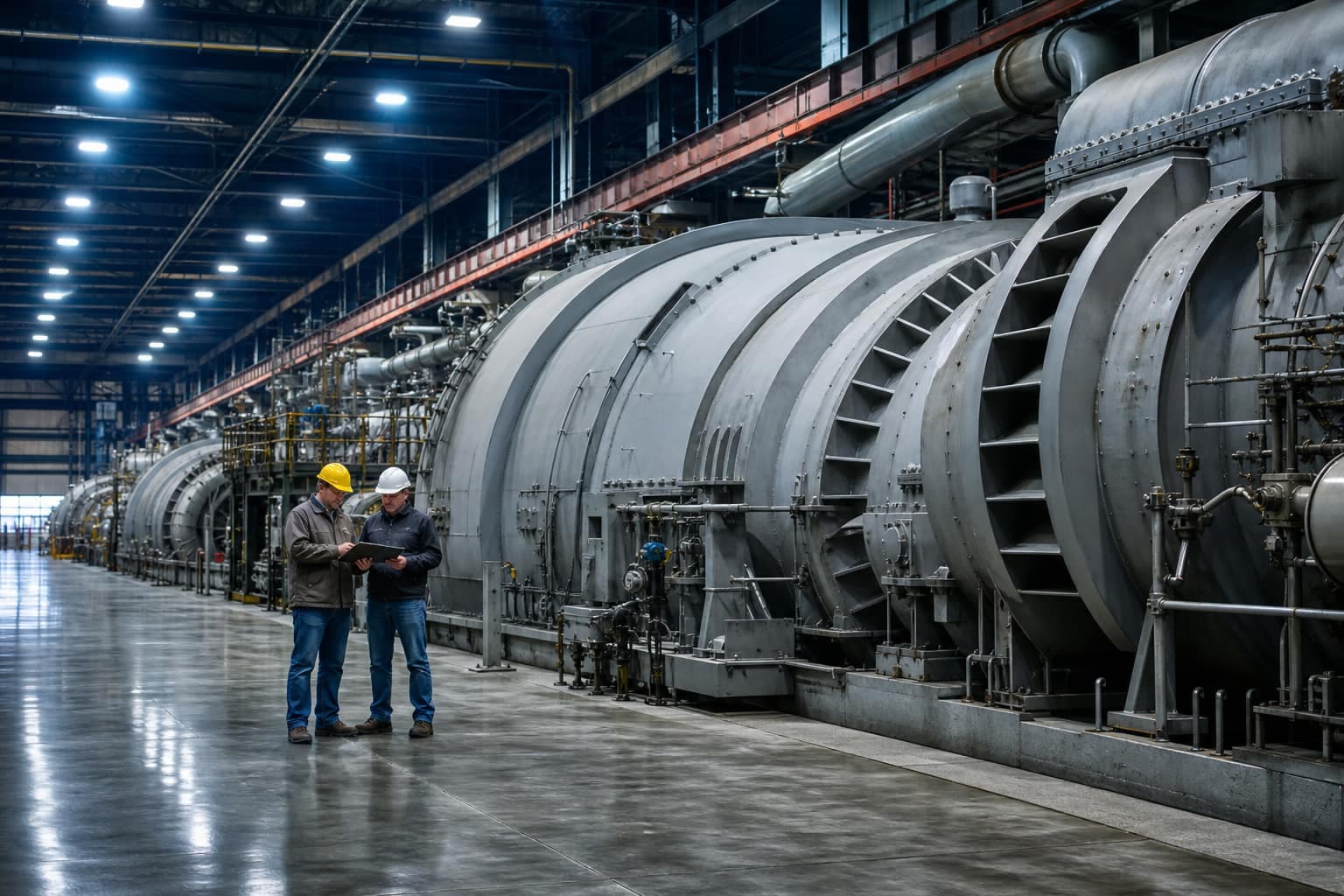
Service contracts
An LTSA is a control system for cost and downtime: one commercial instrument covering inspection planning, parts, repair and outage execution. Operators reach for it when spot buying HGP every outage has become unpredictable.
An LTSA is a long-term service agreement: one commercial instrument covering inspection planning, parts, repair and outage execution. Euroturbine writes it around the fleet you actually run — GE, Siemens, ABB, Mitsubishi or Zorya — and around the fact that many of those frames now live on aftermarket supply. A complete scope includes predictive work (vibration, performance, borescope trends), preventive outages with a frozen hot-gas-path bill of materials, corrective response with defined hours-to-site, and reporting on availability, findings and remaining life.
LTSA beats spot buying when two HGP openings sit on the same fleet
Spot buying means a new purchase order every outage. That works once. It starts to fail when the same machines will open twice in two years and every spring you re-argue whether aftermarket is allowed, whether HIP sits on stage 1, and whether a repaired vane may sit next to a new one. HIP is hot isostatic pressing, used to close internal voids before recoating. Budget becomes emergency premiums. Foundry slots are not reserved. Reverse-engineered numbers on a legacy frame get lost between two buyers.
Under an LTSA those arguments sit in the appendix once. Casting slots are reserved before the outage gate. You have one engineering counterpart for root-cause work, remaining-life assessment and parts — not four vendors arguing over a finding. Case. Two combined-cycle 9E units, HGP openings eighteen months apart. Year one the plant fights an OEM-only spare policy and loses two weeks on a transition-duct seal. Year two the same fight starts again. The contract that would have helped is the one that already named aftermarket qualification, the seal line, and the notice days — not a cheaper invoice on a single crate.
Price without scope, KPIs and a parts qualification path is not an LTSA. It is a discount on last year’s invoice.
The HGP clause must name the parts, the scrap gates and the notice days
Write named part families, not the words “قطعات مسیر داغ”: first- and second-stage blades, vanes, liners, transition pieces, shrouds, and heavy casings as their own OEM lines. OEM means the original equipment manufacturer number already in your stores. A qualification path for non-OEM has to sit in the same clause: CMM (coordinate measuring machine), NDT (non-destructive testing), alloy certificate, coating stack. A repair / HIP / new-make tree per row, with a scrap gate in millimetres, not in adjectives.
Count notice days backward from planned case-open — typically ninety days for a foundry row, thirty for a shop repair already in process. Each call-off needs a data pack: nameplate, numbers, hours, last coating and last NDT. AOG language — the term plants borrowed from aviation for a unit that cannot start — must not empty the rest of the contract and must not turn a hollow first-stage blade into a promised ten-day pour. Case. A V94.2 inner casing heat-shield line was written as “احتراق” in a draft. Mid-outage the mixing chamber was still on a separate purchase order. Euroturbine writes those as separate OEM lines with their own notice days, next to the blades, not under one heading.
Contract or purchase order — the decision · LTSA service page · Outage parts timeline
Spot buying is still right for a one-off opening or a frame you will retire
One planned opening in the next two years does not need a five-year envelope. A one-off reverse-engineered obsolete row can sit on a purchase order. A single emergency when the case is already open is a call-off, not a reason to rewrite the fleet contract that night. A frame you will retire next year should not pull a standing foundry reservation away from the machines that stay.
Case. An SGT-600 mechanical-drive package will be retired after one more campaign. The station needs a power-turbine row and a set of seals. Euroturbine quotes that row as a one-off: OEM numbers, quantity, hours, new-make or repair. Signing a five-year LTSA to hide a messy spare strategy on that package would lock price and stock around a machine that is leaving. Use the agreement where the fleet will still be there.
Share the fleet list, the next outage date and which frames are parts-critical. Euroturbine will propose an LTSA envelope that can sit in front of plant management — or say a purchase order is still the honest tool.
Frequently asked questions
Is an LTSA only for OEM-owned fleets?
No. Independent aftermarket LTSA is common on E-class and legacy frames where the operator wants parts, repair and outage labour without a full OEM envelope.
What commercial terms matter most?
Scope boundaries, response times, spare strategy, KPI reporting, and how non-OEM HGP is qualified. Price without those clauses is not an LTSA.
Can LTSA include HIP and reverse engineering?
Yes. Euroturbine contracts routinely combine new-make, repair, HIP rejuvenation and reverse engineering for obsolete part numbers.
Discuss an LTSA envelope
Forty-plus years in aftermarket HGP, with non-OEM parts and HIP inside the same contract.
Contact engineeringMore articles

Aftermarket Parts for a Siemens SGT-400 Oil-and-Gas Package

Repairing Inner Casings and Mixing Chambers After Long Service Hours
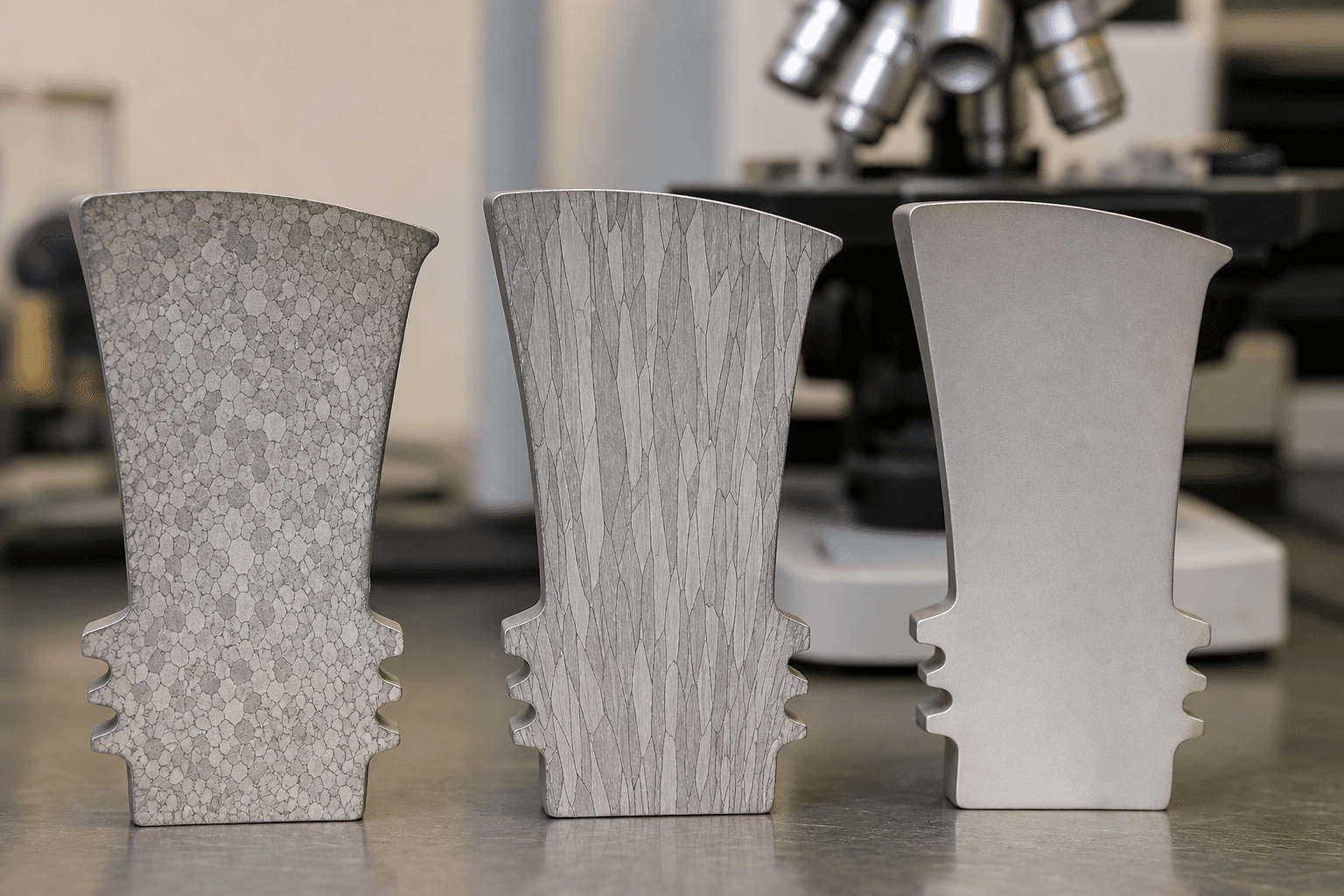
Equiaxed, Directionally Solidified and Single-Crystal Blades: Three Different Products
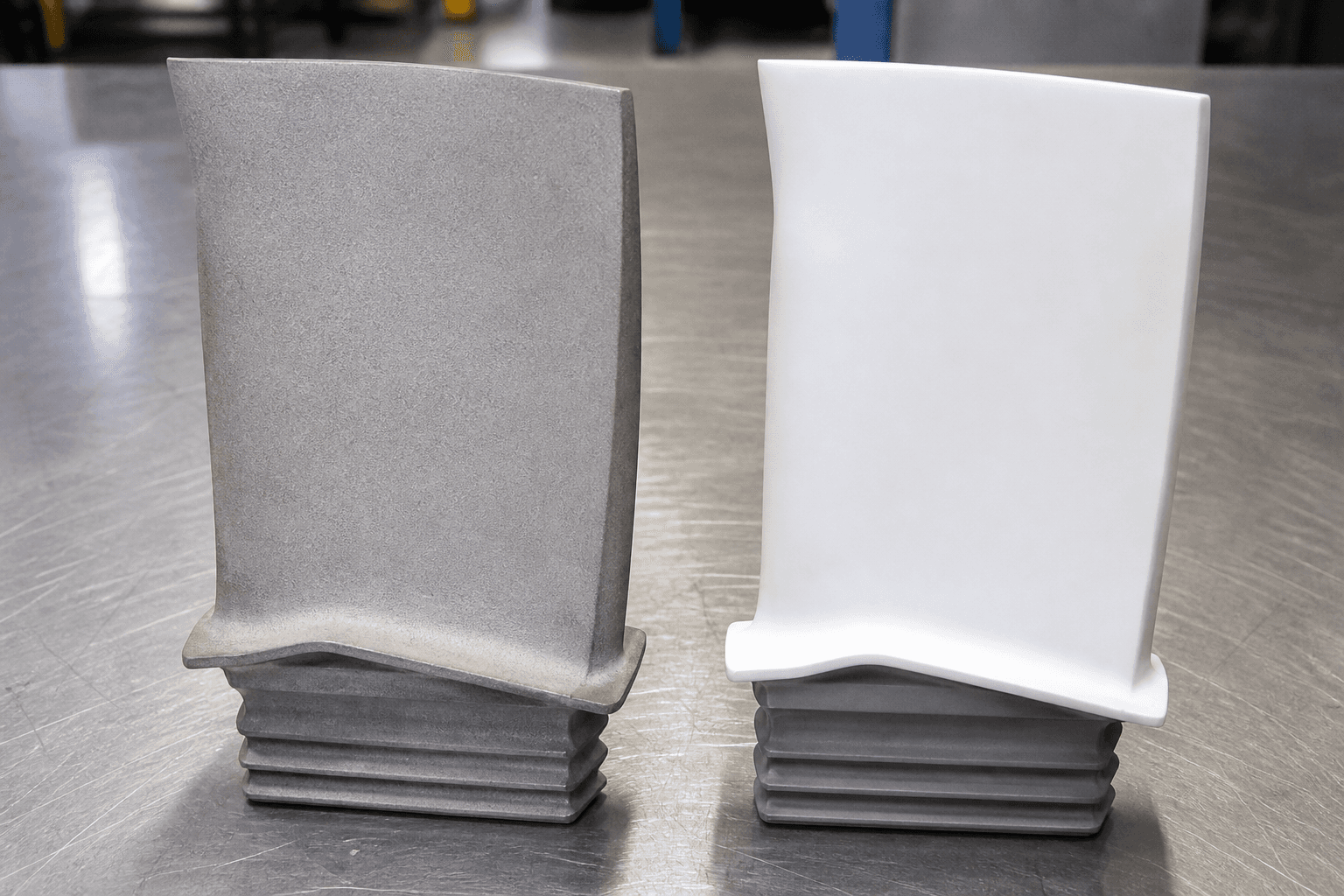
Strip and Recoat a Blade, or Buy a New One
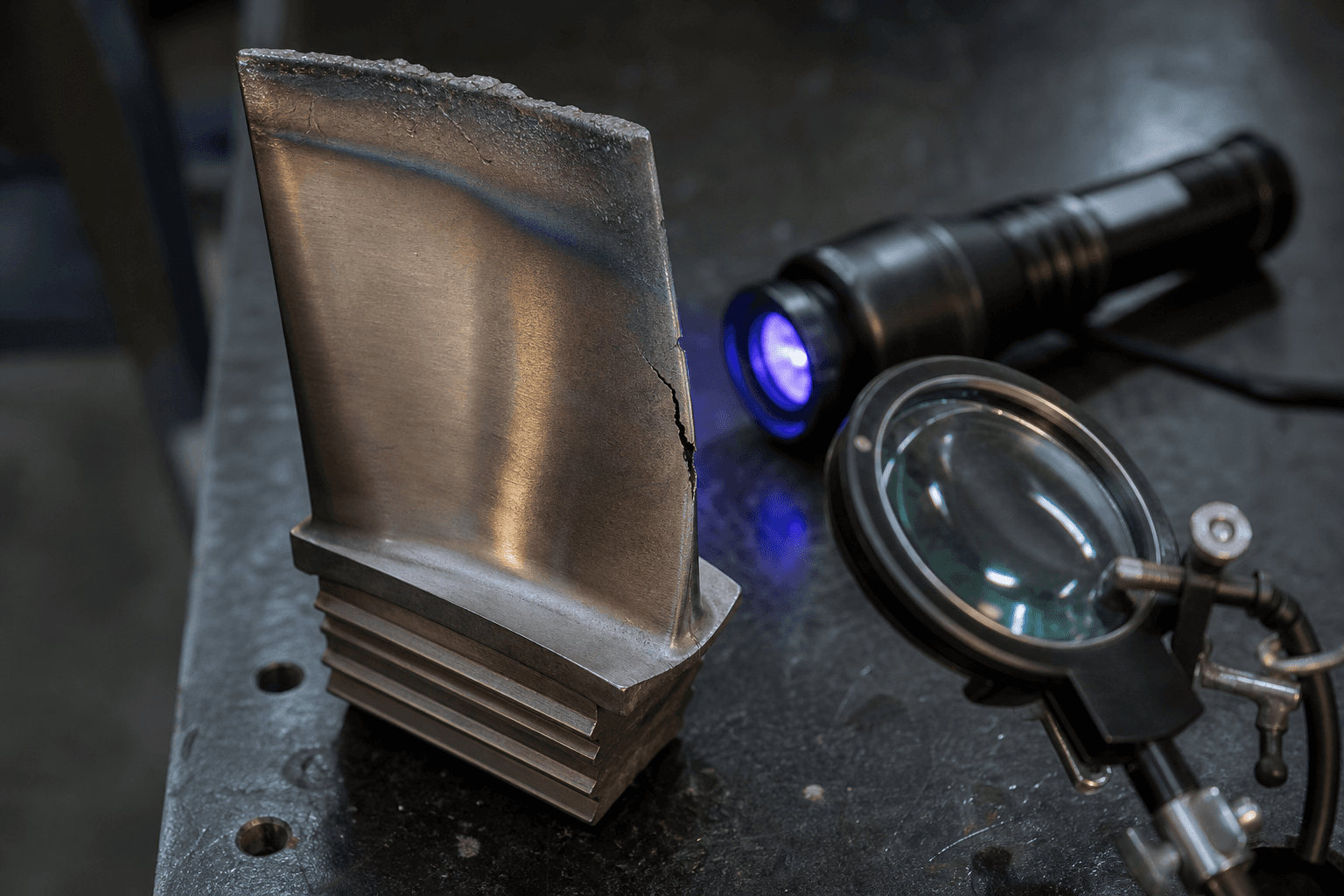
Gas Turbine Blade Damage: Repair, HIP or Replace
Last updated: August 29, 2026