Heavy hot-section casings
An inner casing is the heavy ring that sits around the hot gas after the combustor. A mixing chamber — Iranian shops usually say میکسینگچمبر — is a separate casting on the combustion side. They are two OEM numbers. After a long run both can crack, go out of round, or lose wall. A website that only writes “۱۰۰ هزار ساعت” has not decided anything. Two casings with the same hours can need two different jobs. Below are the three jobs Euroturbine actually writes, and two plant-style cases so you can see which one you are in.
On V94.2 and related Siemens frames in Iran the outage list is usually three heavy parts: the inner casing, the mixing chamber, and sometimes the burner casing. Before anyone talks about a furnace, Euroturbine wants five facts: where each crack starts and stops, how far the bore is from a circle, how much wall is left, whether the casing has already been heat-treated once, and the hours and starts. “بیست سال تجربه” does not change those five numbers.

Result 1 — Repair and heat treatment
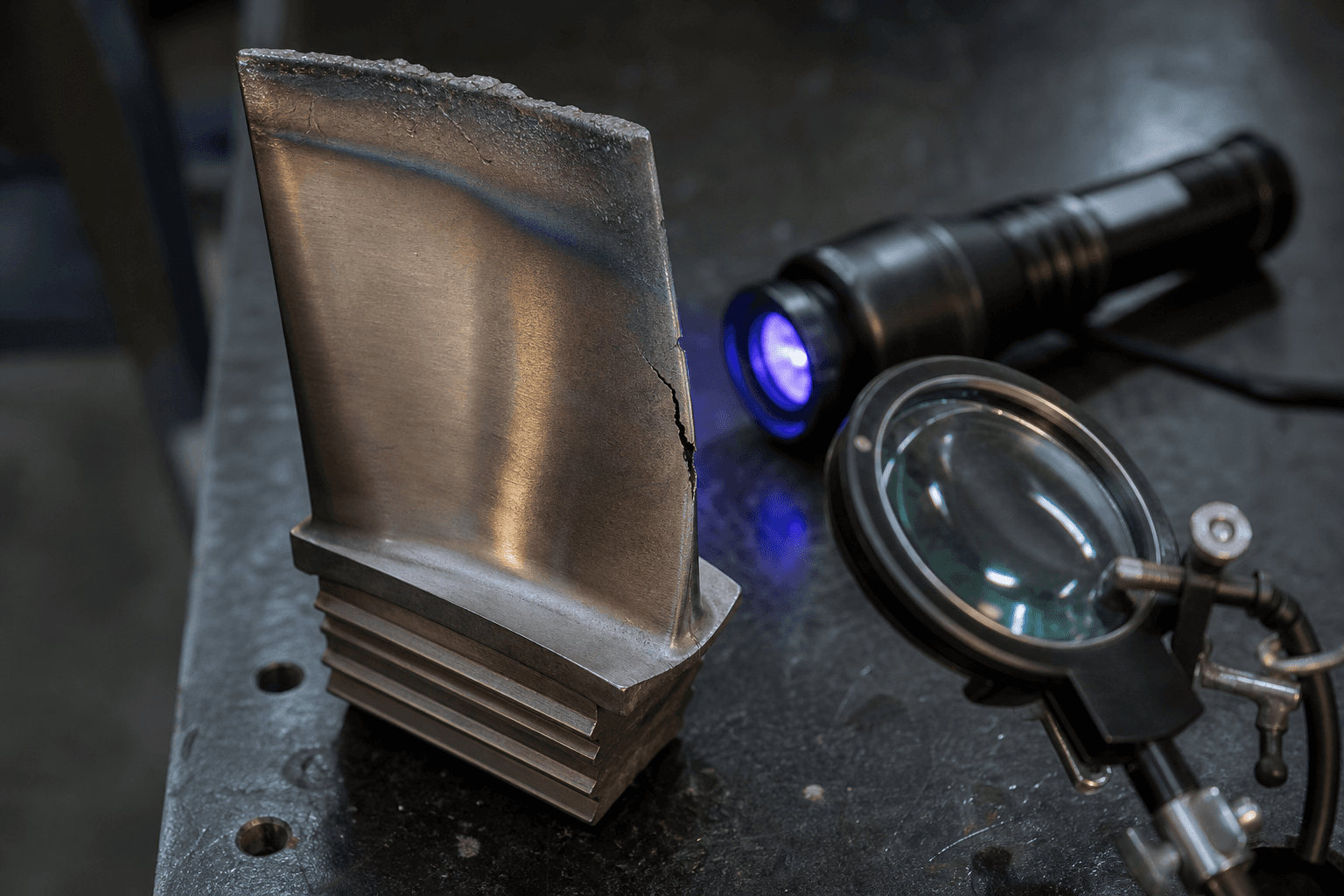
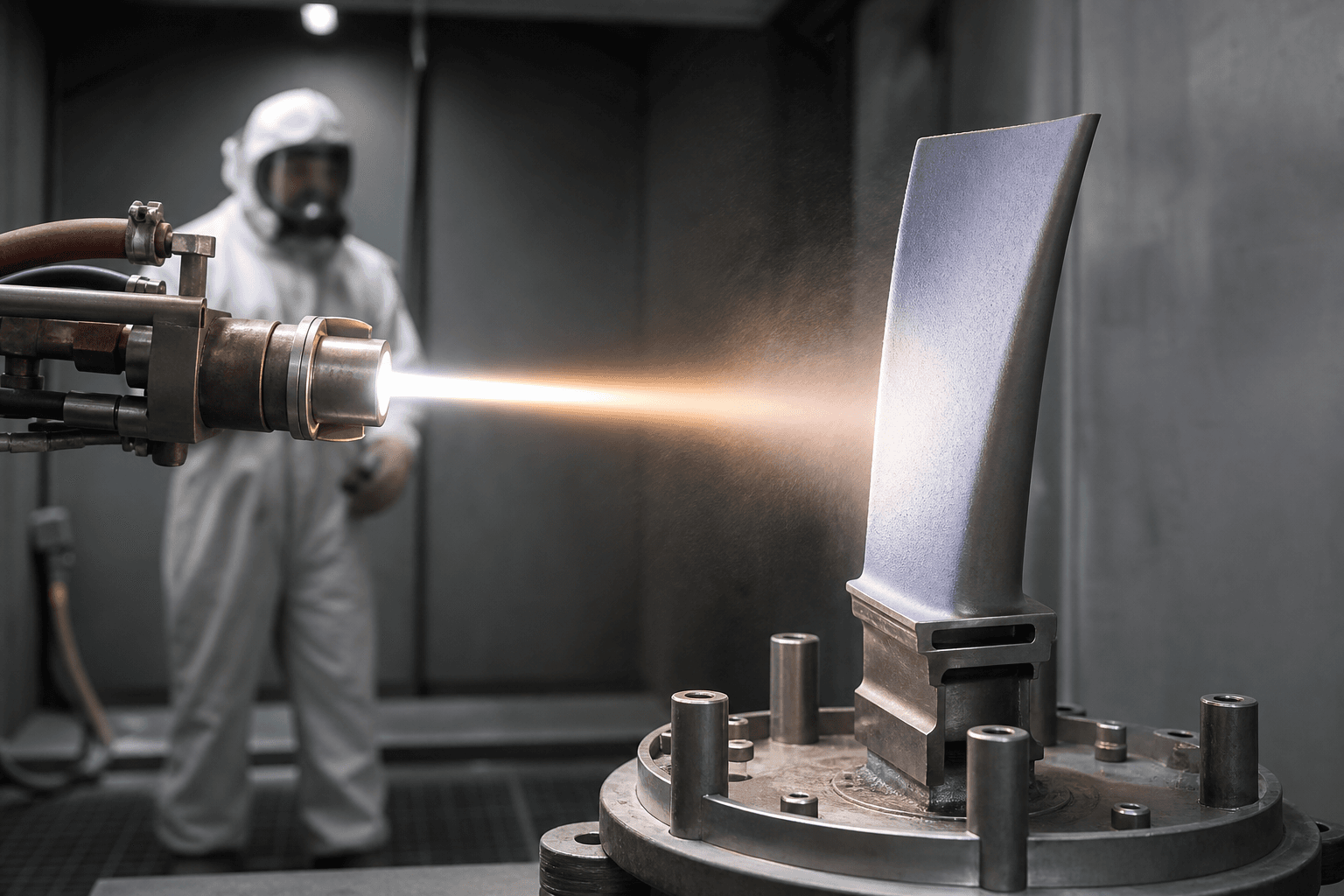
This is the job when cracks are short, they sit in a zone the specification allows to weld or blend, the bore is still close to round, and remaining wall is above the repair minimum. The shop maps every indication, welds or blends only inside that map, heat-treats the casing so the weld and the parent metal sit in a known condition, then inspects again with penetrant and, where needed, ultrasonic or radiography. You get the casing back with a workscope that says which cracks were closed and which dimensions were restored. You do not get a verbal “درست میشود”.
Case A. A combined-cycle unit on V94.2 comes in after a long run. The mixing chamber has two cracks at a known weld, each a few tens of millimetres, wall thickness is still inside limit, and the bore ovality is small. Euroturbine writes repair plus heat treatment, not replace. The inner casing on the same unit is a separate line: if it is clean, it is not dragged into the same furnace story.
Result 2 — Remaining-life assessment, then a written interval
This is the job when the metal can physically go back, but the plant will not accept “احتمالاً یک دوره دیگر کار میکند”. Remaining-life assessment, written RLTA in every Iranian reliability group, means metallography or replica where needed, a crack-growth and thickness argument, and a signed note: you may run until this many hours or this many starts, or you must replace at the next outage. It is not a polish. It is a document the operations manager can put next to the outage report. Heat treatment may still sit in the same visit if the alloy needs it; the difference is the paper, not the shine.
Case B. The same V94.2 inner casing has no long cracks, but hardness and a small amount of creep voiding are off the as-new book, and the owner has to defend the next two-year interval to a board. Euroturbine does not “approve” it with a sentence. We write an RLTA with the limit in hours and starts. If the numbers do not close, we change the job to replace.
Result 3 — Replace the casing
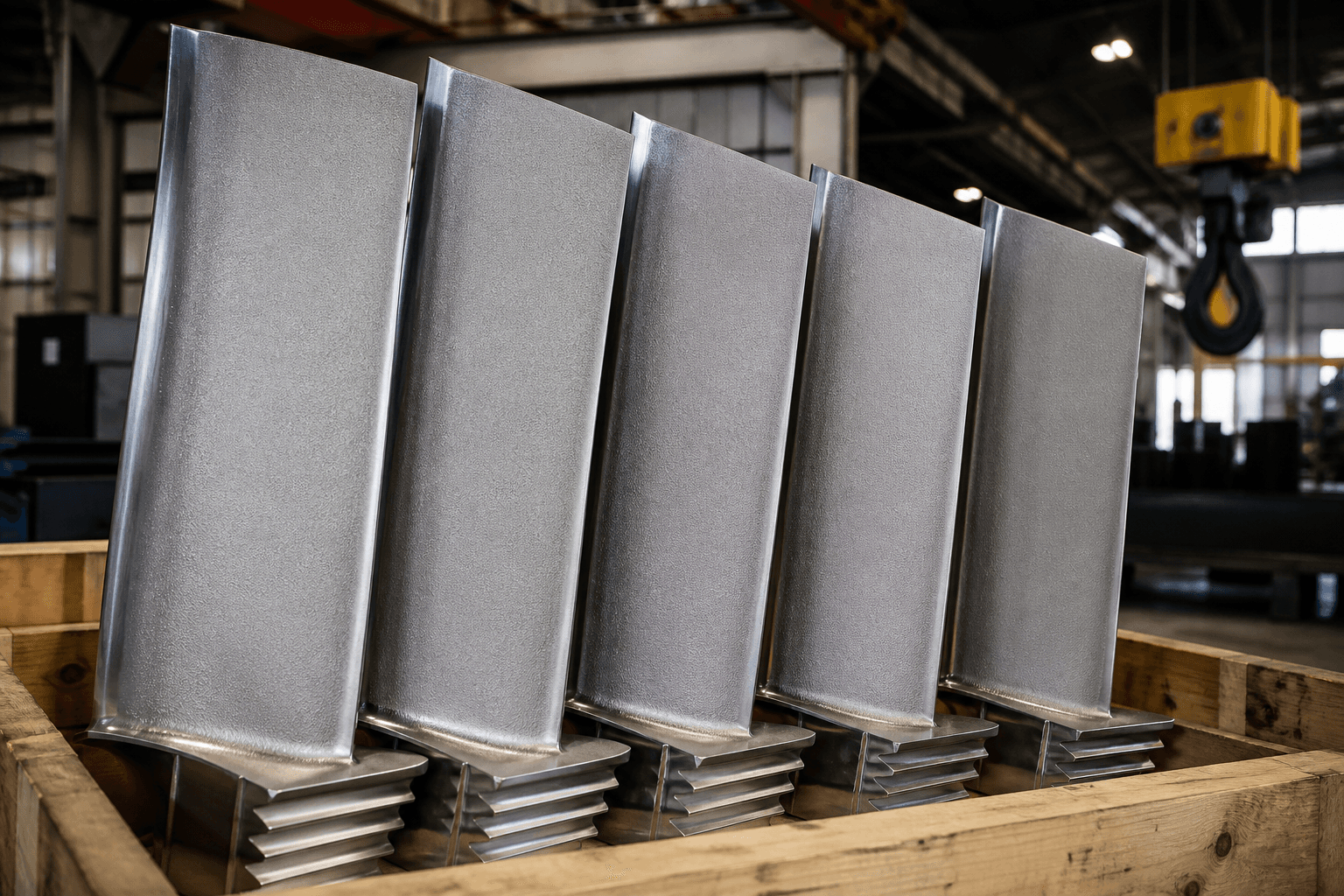
This is the job when a crack is too long or in a forbidden zone, the bore is oval beyond the stack-up, remaining wall is below the minimum, or the casing has already used up the heat-treat and weld cycles the alloy can take. Sending it through a furnace anyway only postpones a leak or a rub. Euroturbine will say replace, and if you want new-make or a qualified aftermarket casing we quote that as its own OEM line. The mixing chamber is still a different number. Do not order “یک کیسینگ” and expect both parts to arrive.
Heat treatment without an incoming inspection map is how a crack is hidden and then opens in service. Euroturbine will not price a furnace cycle until indications are drawn. The workscope we issue names the part, the chosen result (1, 2 or 3), the inspections, and the acceptance numbers. That is the document. It is not a poster of a power plant we did not work.
Burner casing is a fourth part · How RLTA is written · Repair service
What to send before anyone prices a furnace
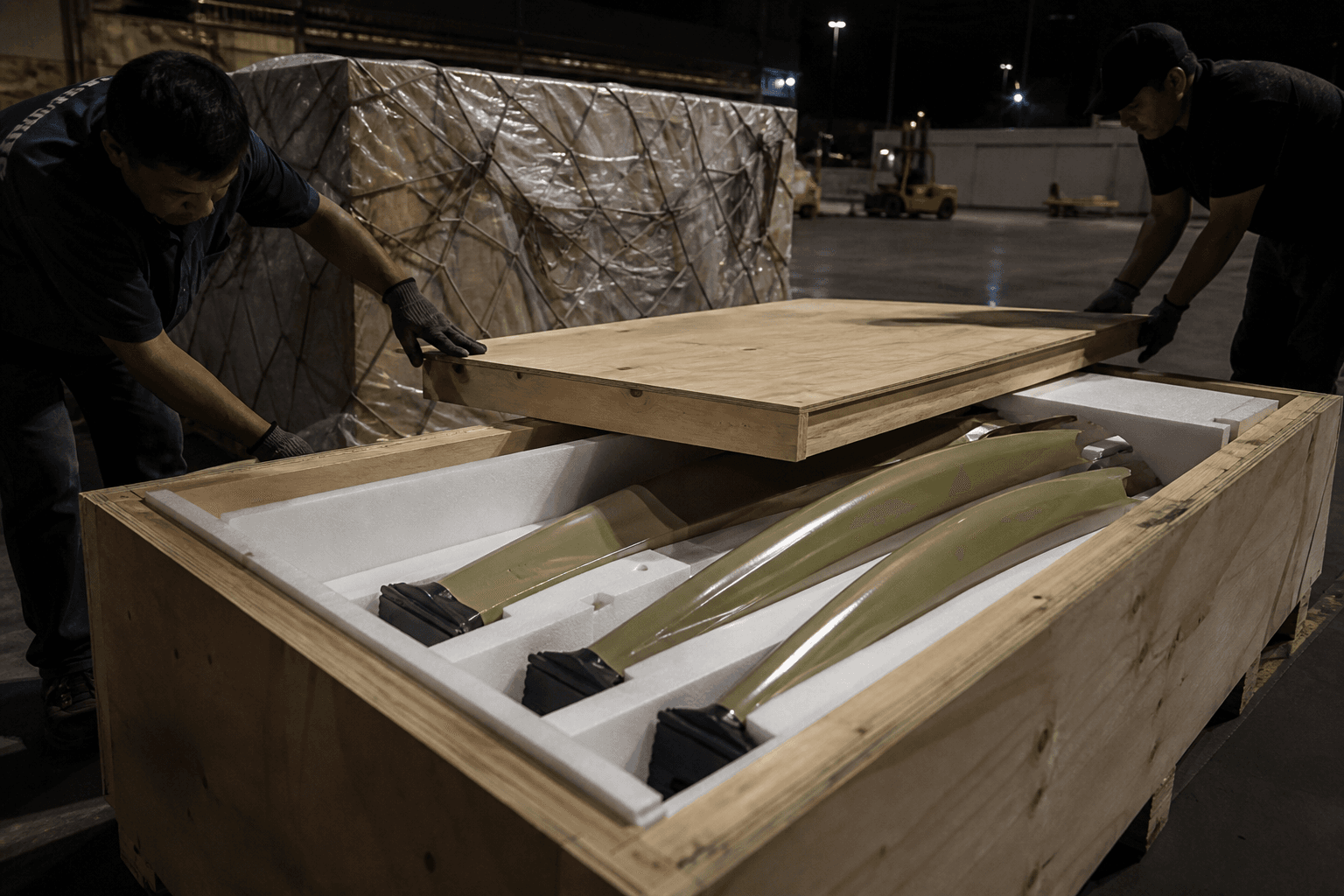
Photographs of the inside and the outside of the casing. If you can, mark where each crack starts and where you think it stops. Hours and starts on the same machine. The nameplate: V94.2, GT13E2 or another frame. If a previous heat treatment exists, say so — a second furnace cycle is not free of cost in remaining life. With that pack Euroturbine can say which of the three results above is even on the table. Without it we can only say “send the casing”.
Frequently asked questions
Is a casing at 100 000 hours always cheaper to repair than to replace?
Only if remaining risk is written down and the shop visit still costs less than a new serial, including the chance of a repeat failure. Hours alone are not a permit to repair.
Do you only work V94.2 casings?
V94-class hardware is common in the inquiries we see. Send the nameplate for GT13E2 and other frames; the inspection logic is the same, the part numbers are not.
Can you start heat treatment from a phone description?
No. We need photographs and, for a firm workscope, the casing or a full NDT report.
Related Euroturbine pages
Send the crack photos before anyone names a furnace
Euroturbine will say repair, remaining-life assessment or replace — after NDT, not after a marketing sentence.
Request a quoteMore articles

Last updated: August 29, 2026